
Understanding the Healing Process of a Root Canal
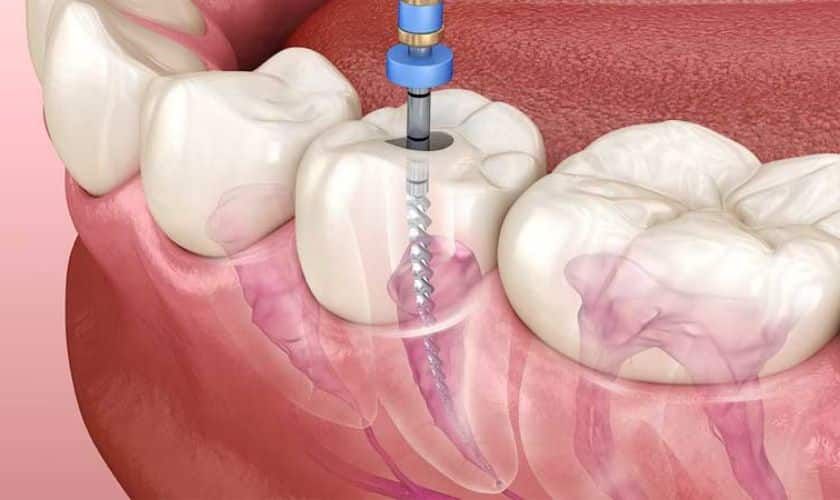
A root canal treatment, despite its reputation, is a standard dental procedure aimed at saving a severely infected or decayed tooth. Once completed, patients often wonder about the healing process and the timeline for recovery. Understanding how long a root canal takes to heal can alleviate concerns and provide insight into what to expect during this crucial post-treatment period.
The Root Canal Procedure: A Recap
Let's recap how the root canal procedure works before we explore the healing timeline. Deep decay, cracks, trauma, or repeated dental procedures can infect or inflame the soft tissue inside the tooth, resulting in the need for a root canal. To prevent further infection, the infected pulp is removed, and the interior of the tooth is cleaned, disinfected, and sealed during the treatment.
Initial Post-Treatment Phase
Immediately after the root canal procedure, it's normal to experience some discomfort or sensitivity in the treated area. This discomfort typically subsides within a few days as the body starts to heal. Your dentist might prescribe pain relievers or recommend over-the-counter medications to manage any post-treatment discomfort.
First Week Post-Treatment
During the first week following a root canal, it's essential to maintain good oral hygiene practices. This includes gentle brushing, flossing, and rinsing with an antimicrobial mouthwash as prescribed by your dentist. While you may experience mild discomfort or sensitivity, any severe pain or swelling should be reported to your dentist promptly.
Subsequent Weeks
As the days progress, you should notice a gradual reduction in any lingering discomfort. By the second or third week, most patients find that their treated tooth feels much better. However, the complete healing process can take several weeks to months, varying from person to person.
Factors Influencing Healing Time
Several factors can influence the healing timeline after a root canal:
- Severity of Infection: The extent of the infection prior to the root canal can impact healing time. Severe infections may take longer to heal completely.
- Individual Healing Response: Each person's body reacts differently to treatments. Some individuals may heal faster than others.
- Tooth Location: Teeth at the back of the mouth (molars) might take longer to heal due to increased pressure from chewing.
- Follow-up Care: Proper oral hygiene and attending follow-up appointments are crucial for successful healing.
- Underlying Health Conditions: Certain health conditions or compromised immune systems may affect the body's ability to heal.
Long-Term Healing
Although you might feel relief shortly after the procedure, the healing process continues internally. Over time, the bone surrounding the treated tooth will regenerate and heal, supporting the tooth's stability. It's essential to attend scheduled follow-up appointments with your dentist to monitor the healing progress and ensure no complications arise.
Warning Signs and When to Seek Help
While some discomfort during the healing phase is normal, certain warning signs may indicate complications. If you experience severe or increasing pain, persistent swelling, discharge, or any unusual symptoms, contact your dentist immediately. These signs could indicate an infection or other issues that require prompt attention.
In conclusion, the healing timeline after a root canal can vary from a few days to several weeks or months, depending on individual factors. Understanding the process and knowing what to expect post-treatment can help manage expectations and alleviate concerns. With proper care, most patients experience successful healing and restored oral health following a root canal procedure.
Always follow your dentist's post-operative instructions, attend follow-up appointments, and promptly report any unusual symptoms. Remember, the goal of a root canal is to preserve your natural tooth and alleviate pain, contributing to a healthier and happier smile in the long run.